Recycled HDPE Plastic
Paver Design

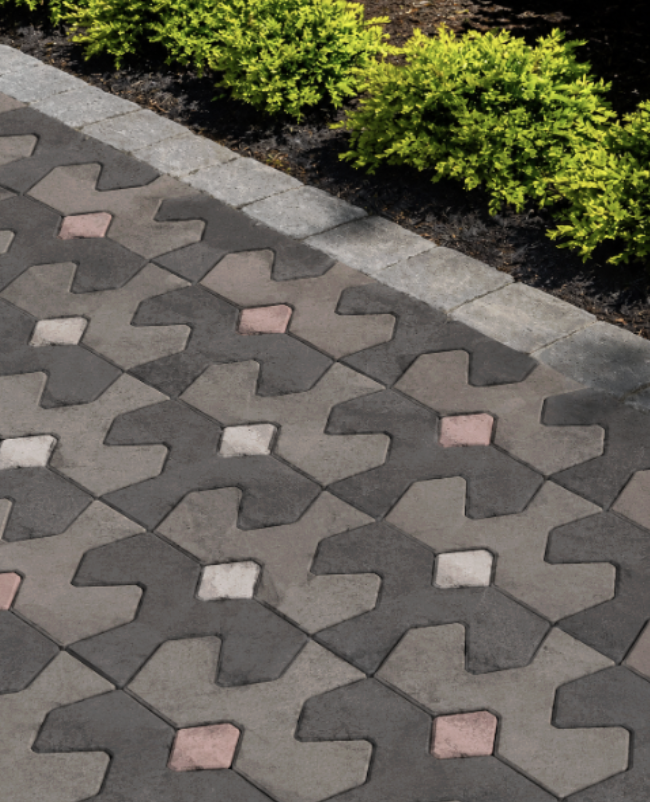
Transforming discarded HDPE plastic into modular, permeable paving bricks. The interlocking system combines recycled materials, functional performance, and customizable color arrangements to explore a more circular approach to outdoor paving.

View Poster
回收 HDPE 材料

Why HDPE?

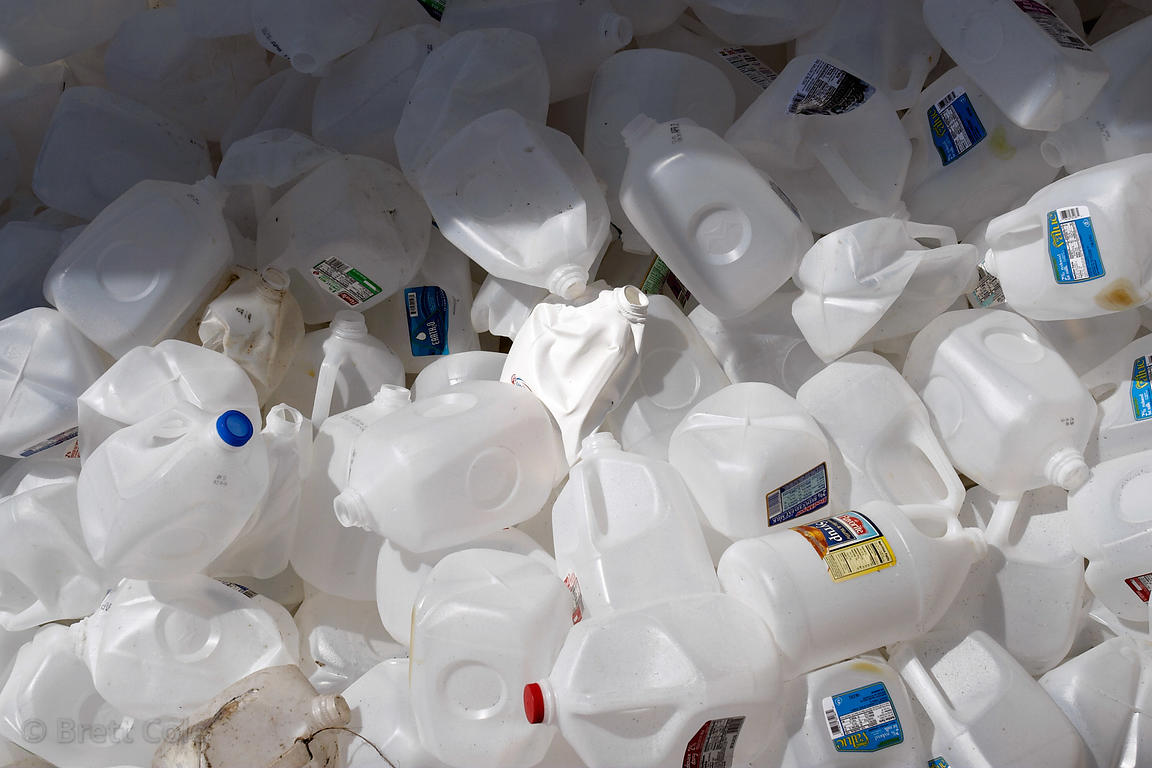
High-density polyethylene (HDPE) is a durable plastic commonly used in bottles, containers, and pipes. Although recyclable, large amounts of HDPE still become waste rather than re-entering the material cycle.

Inspired by the growing use of recycled HDPE in construction, our project transforms this material into permeable paving bricks that support a circular economy while combining environmental performance, functionality, and aesthetic design.
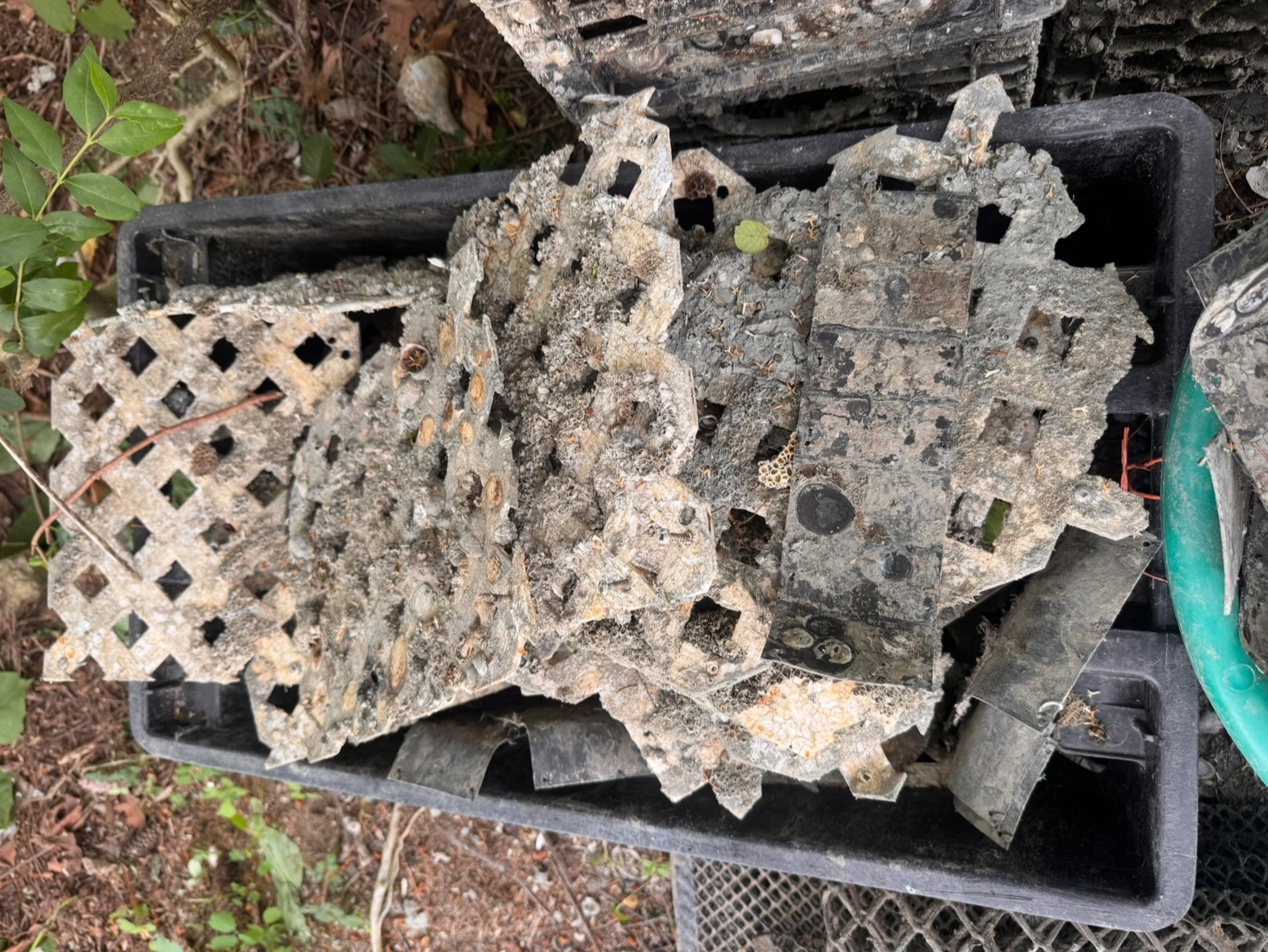
Kitchen Waste &
Ghost Fishing Gear

The HDPE used in this project comes from two local waste streams: discarded HDPE bottles collected from URI dining facilities, and recovered fishing gear got from a Rhode Island–based company that retrieves it from nearby coastal waters. By transforming these materials into pavers, we give locally sourced plastic waste a new functional life.

厨余垃圾与幽灵渔具

Why Pavers?

Recycled HDPE–sand composites combine durability, adaptability, and design potential, making them well suited for outdoor paving applications.

Reliable Strength

Compressive performance comparable to conventional pavers makes the material suitable for gardens and pedestrian spaces.

Outdoor Durability

Low water absorption and corrosion resistance help the pavers withstand moisture and outdoor exposure.

Design Flexibility

Colors, textures, and surface finishes can be customized to create different visual effects.

Circular Material Use

Transforming discarded bottles and recovered fishing gear into pavers keeps local HDPE waste in use for longer.

Design Inspiration

Inspired by the molecular structure of HDPE, the pauer's form was developed by abstracting its two-dimensional molecular geometry and transforming it through cutting and recombination into a new geometric configuration

HDPE molecular structure

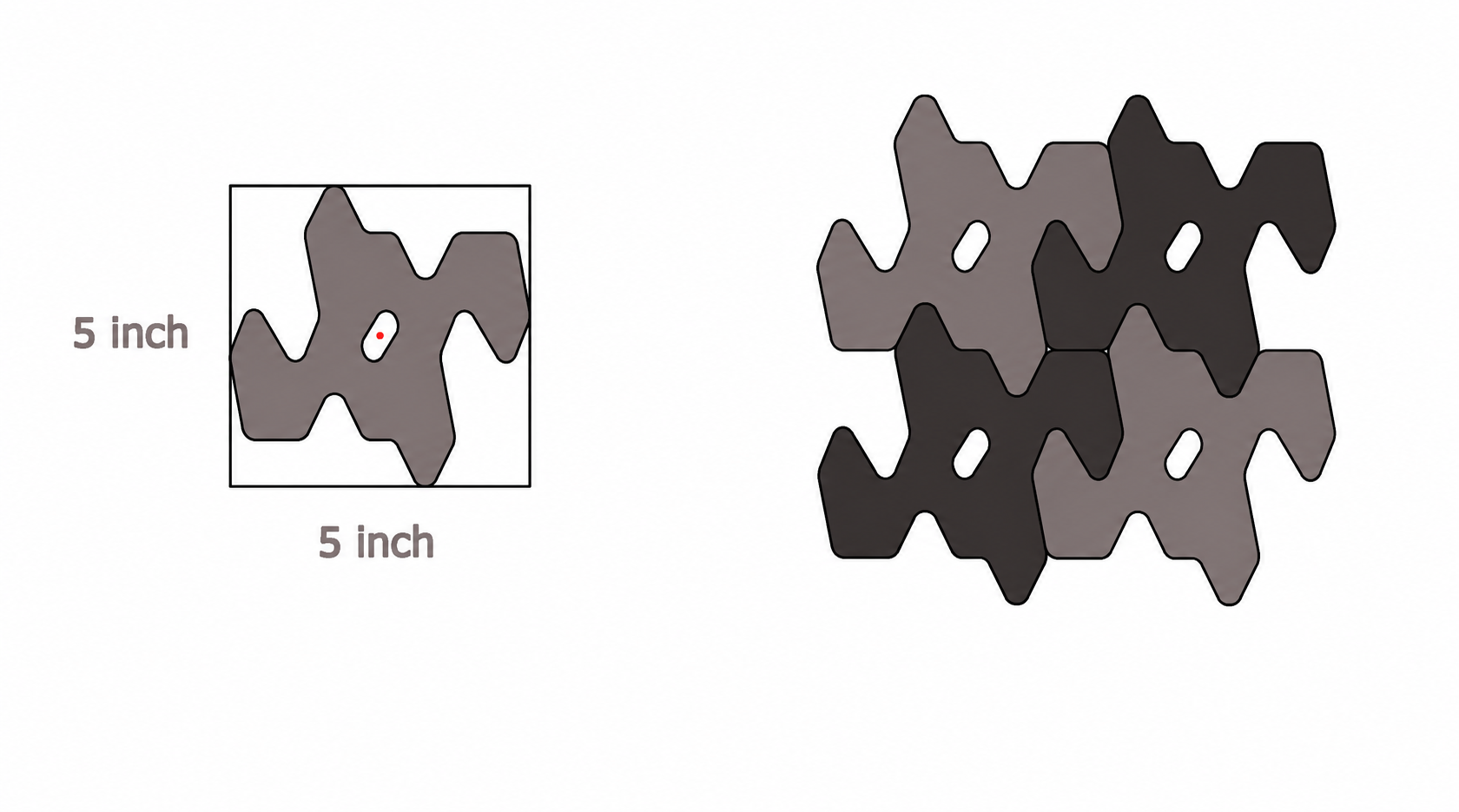
Three Different Paver Designs

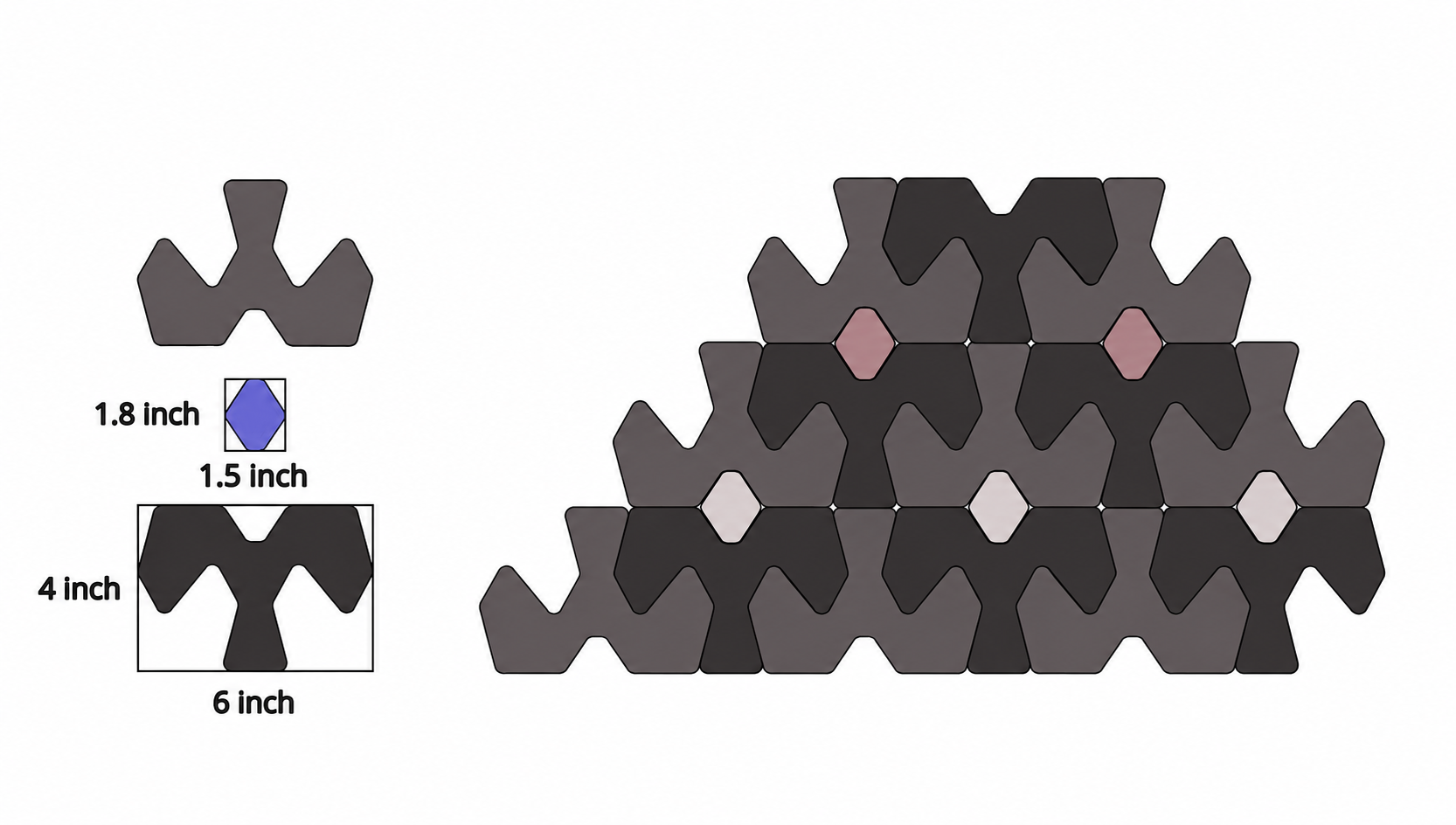
2D brick design based on the basic shape above

Paver design 1 unit shape and tessellation

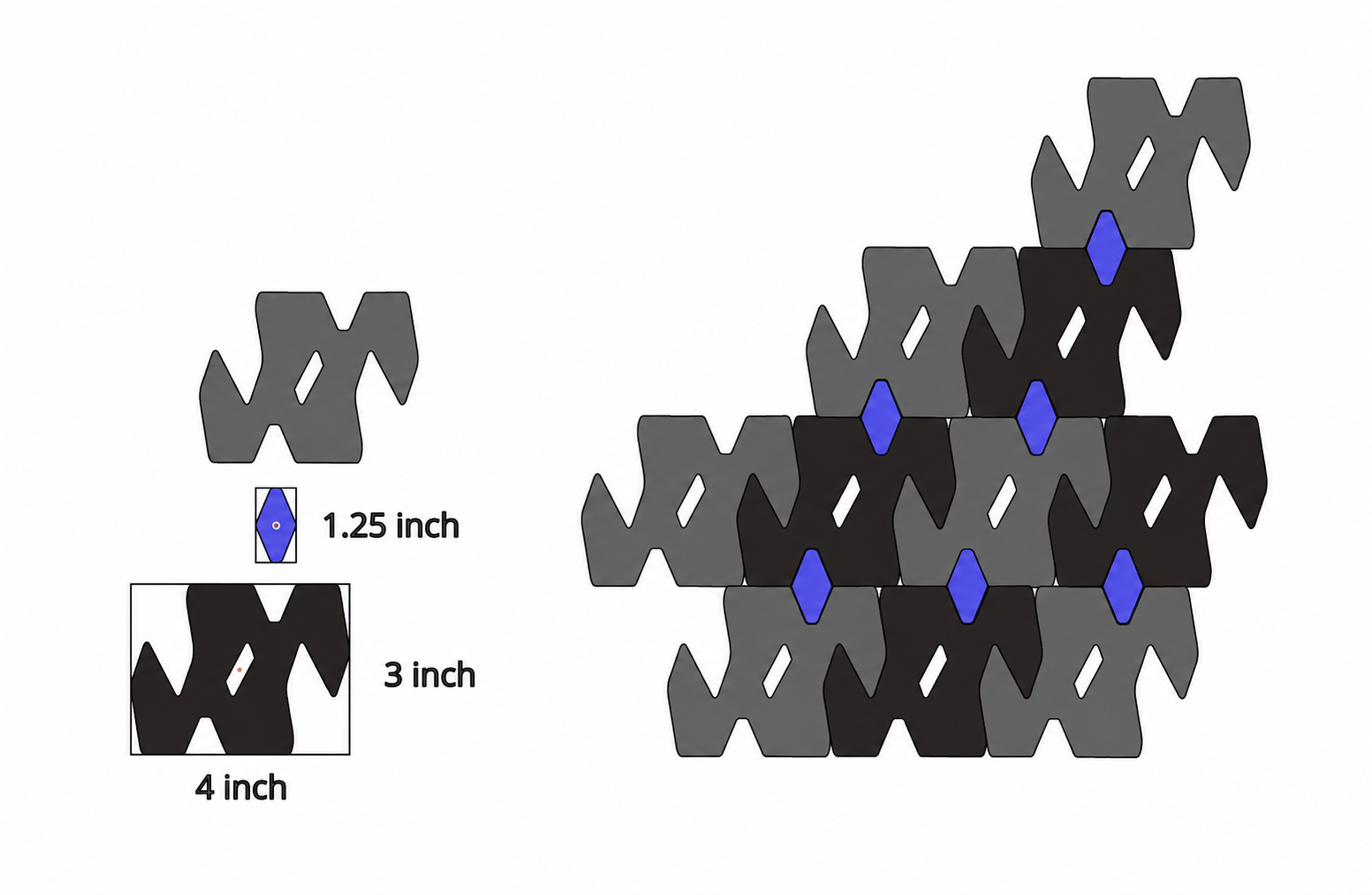
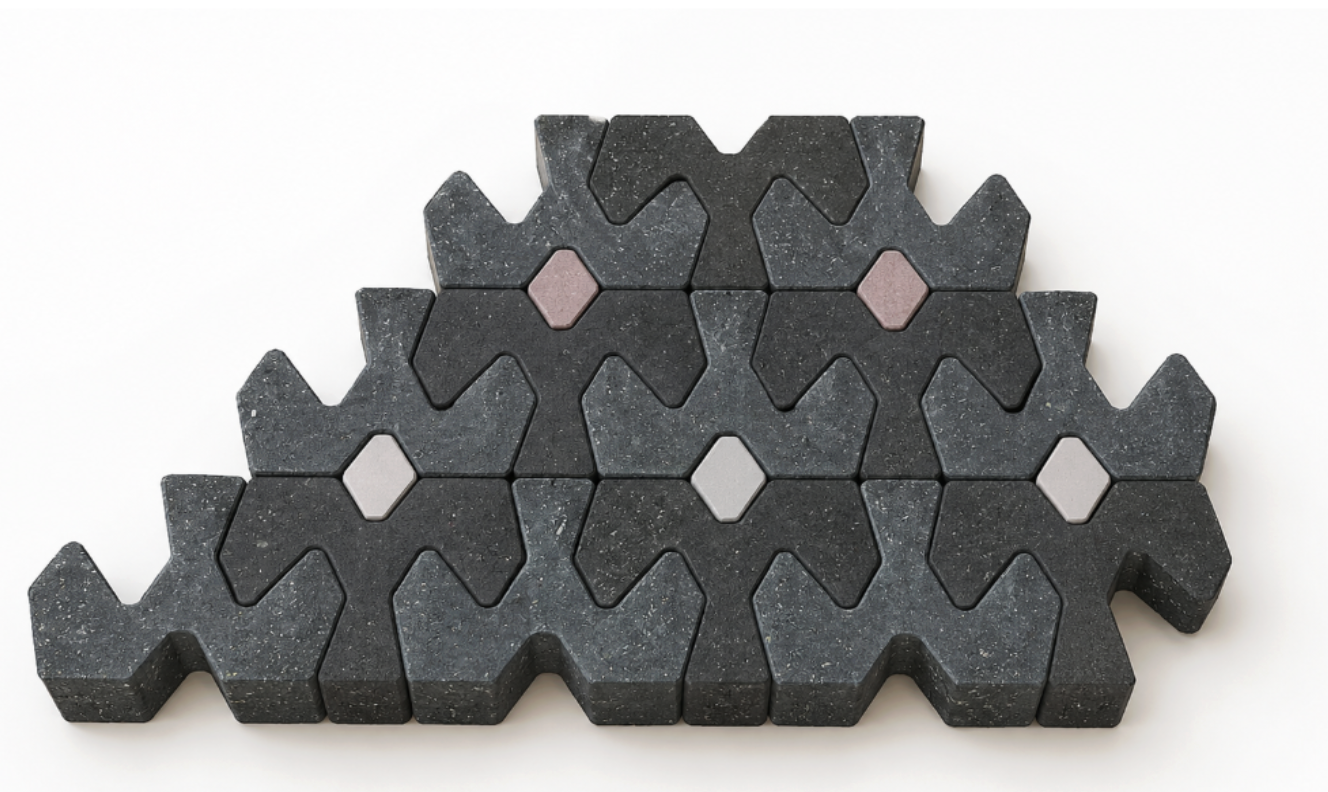
Composed of two brick shapes, the design allows users to customize the overall atmosphere by changing the color of the smaller diamond-shaped bricks.

Design 1

Paver design 2 unit shape and tessellation

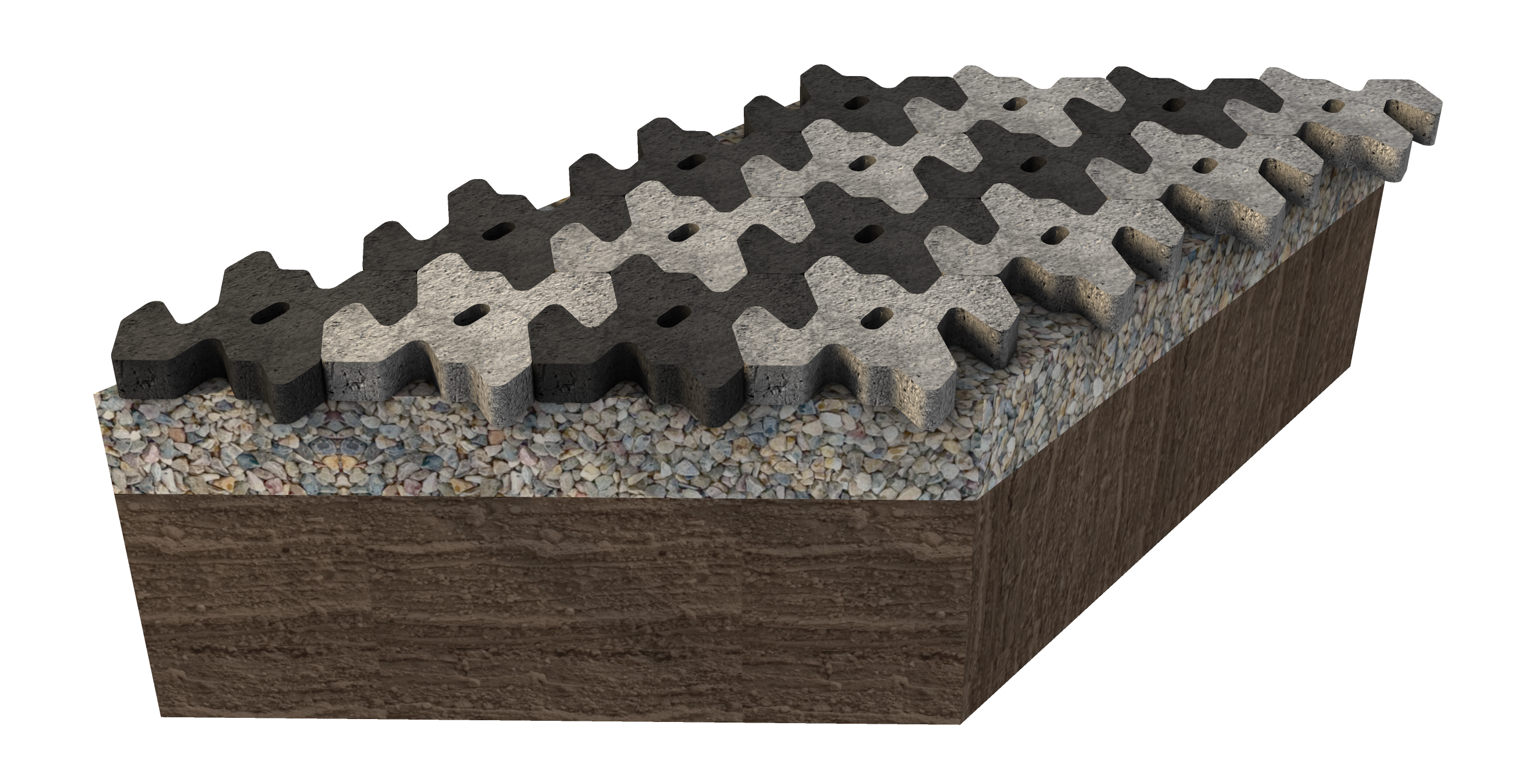
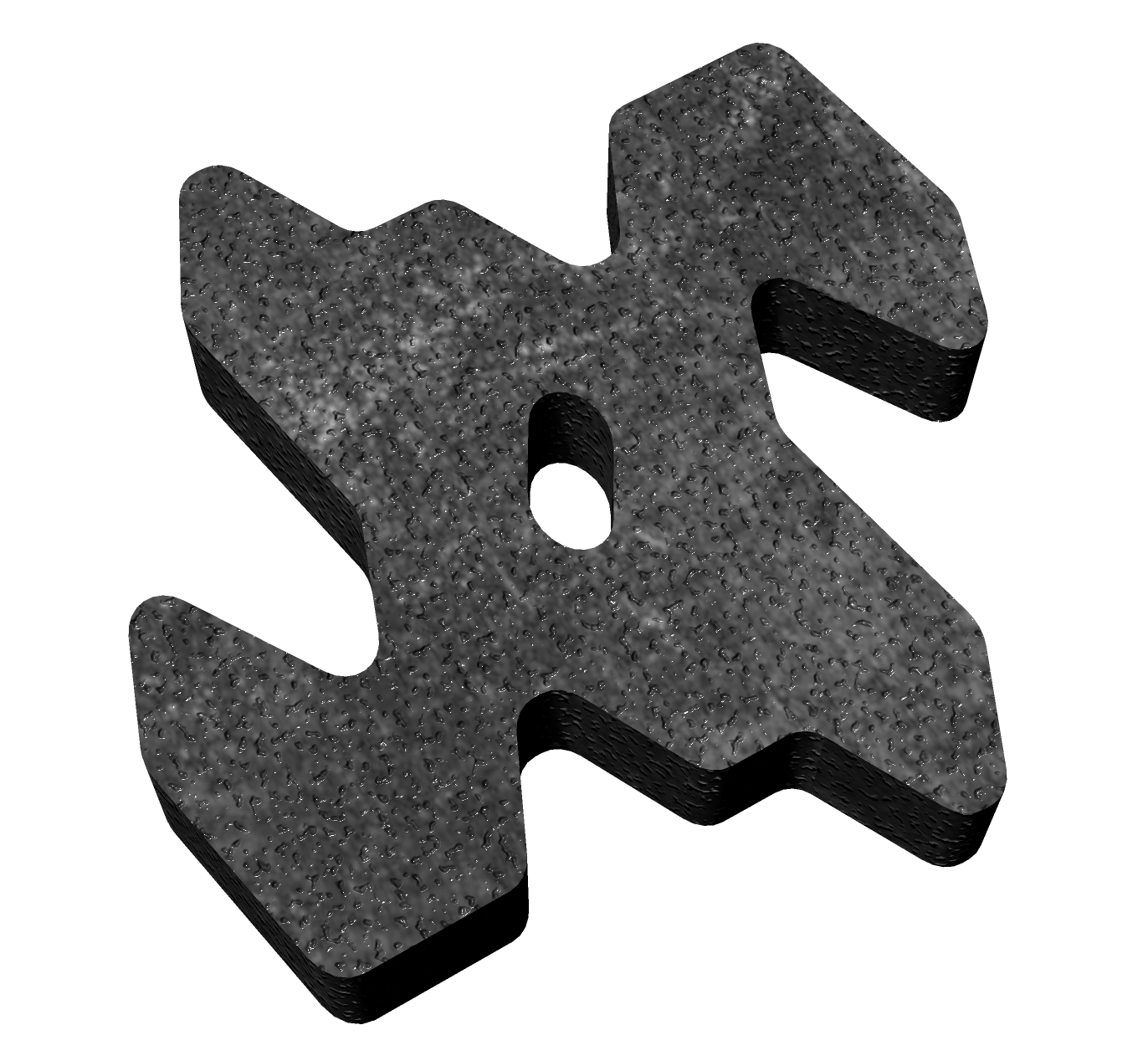
The interlocking geometry provides excellent stability, while the central openings allow water to permeate through the pavement.

Design 2

Paver design 3 unit shape and tessellation

Combines effective water permeability with customizable color options for the smaller bricks.

Design 3

Brick Fabrication Process

From shredded recycled HDPE to the finished paver—browse the fabrication steps with the arrows.

Brick 1

Made from 30% kitchen waste and 70% sand.

Brick 2

Made from 30% ghost fishing gear and 70% sand.

Brick 3

Made with colorful glass fragments in the surface.

Brick 4

Semi-sphere texture on the top.

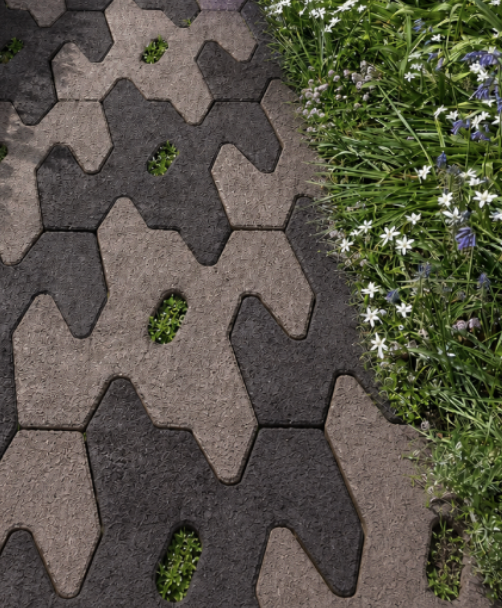
Applications: Garden & Home

Garden and home application 1
Garden and home application 2
Garden and home application 3
Garden and home application 4

Tianyu Zhang2, Sirri Neba Nforsoh1, Korryn Naruaez3, Rhea Panat2, Jessica Smith2, Jennifer Bissonnette2, Vinka Oyanedel-Craver1

1 Department of Civil and Environmental Engineering, University of Rhode Island, Kingston, Rhode Island, United States

2 Edna Lawrence Nature Lab, Rhode Island School of Design, Providence, Rhode Island, United States

3 Department of Physics, Utah Valley University, Orem, Utah, United States

Acknowledgements

This work is supported in part by the U.S. National Science Foundation under EPSCoR Cooperative Agreement OIA-2433276 and in part by the RI Commerce Corporation via the Science and Technology Advisory Council (STAC). Any opinions, findings, conclusions, or recommendations expressed in this material are those of the author(s) and do not necessarily reflect those of the National Science Foundation, the Commerce Corporation, its partners, or members thereof.

We sincerely thank Dr. Sirri Neba Nforsoh and Dr. Vinka Oyanedel-Craver (University of Rhode Island), Dr. Jennifer Bissonnette and Prof. Jessica Smith (RISD Nature Lab), and Dr. Louise Manfredi (Brown University) for their invaluable guidance, expertise, and collaboration. We also acknowledge the University of Rhode Island for providing the research facilities and technical resources that supported this project.

More works from designer?

tzhang08@risd.edu

https://www.instagram.com/fc9_art/

Project display 1